CESGEN Campus
Online courses in nutrigenomics, genomics and AI, and data science for health, in English and Spanish.
AvailableGo to the campus →
DNAGPT helps the dietitian read each client’s genetic file: it interprets it with the Panel Guide, answers within the limits of a wellness study and always cites the variant it relies on. You get more information and more time for your client.
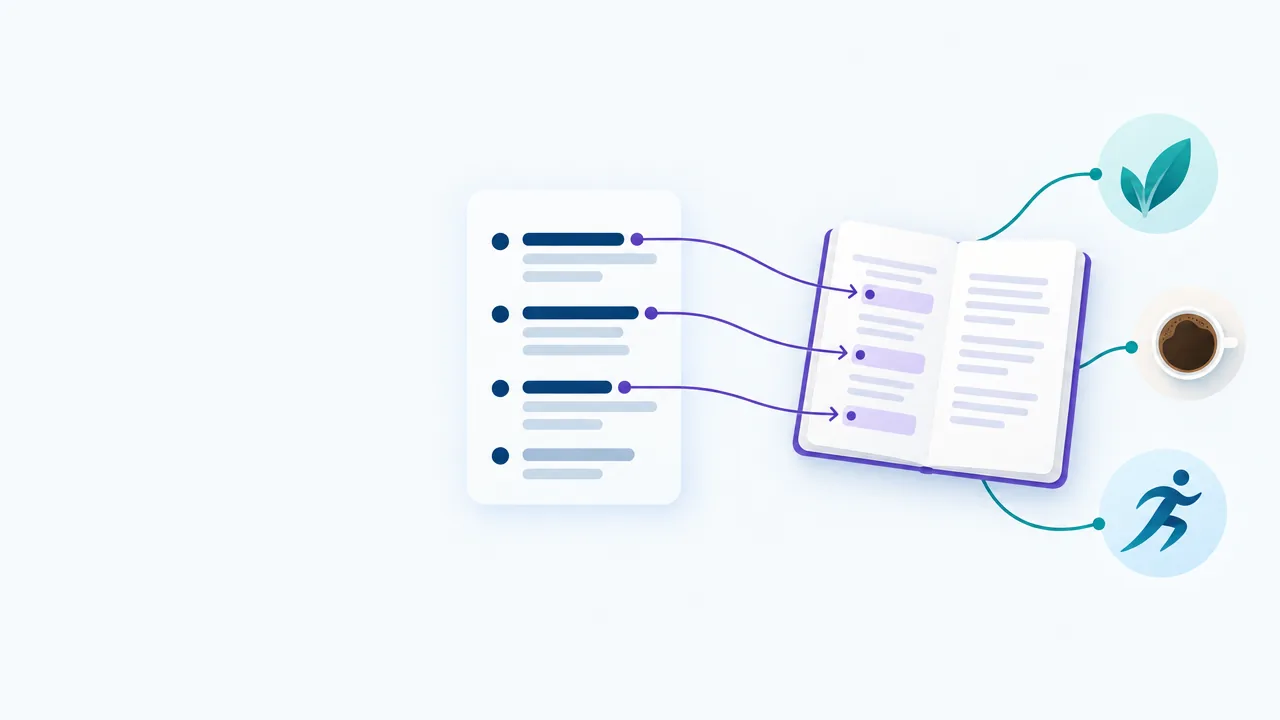
Your client has had the NutriGPT study through your practice. You receive their 48-variant file, identified only by a code. The study →
The Panel Guide and the knowledge curated by CESGEN are DNAGPT’s only source: for each variant, what it guides, how it is read and what must never be said.
DNAGPT returns guidance by area, citing area and rsID. You review, decide and deliver. The responsibility and the plan are yours.
You create a project in ChatGPT or Claude with CESGEN’s instructions and the Panel Guide as a knowledge file, and work each file with ten prompts prepared for the consultation. Ecosystem professionals receive it together with the study.
A programme installed on your computer processes the file locally and consults CESGEN’s knowledge through a secure connector. The file never leaves your computer and CESGEN receives no genotypes. In testing with a pilot practice.
What a decision-support system can and cannot do with your DNA: start with the free course →
A sample of the prompts ecosystem professionals use, organised by area: check the file, prepare the first consultation, explain the results, design a menu, adapt a vegetarian diet, organise meal timing and coffee, or answer a difficult question.
Explore the prompts“Interpret the attached file with the Panel Guide. Give me a table by area with variant, gene, copies and reading; the three to five pieces of guidance that should most influence the plan; the areas with no specific adjustments; and three questions to contextualise with the client.”
“According to their file and the Guide, review from a dietary point of view the vitamin B12, omega-3, vitamin A, vitamin D and magnesium areas, and suggest specific sources and examples of dishes.”
“My client asked me: ‘…’. If it concerns diseases, intolerances, medicines or genes that are not in the Guide, explain kindly that the study does not analyse that and that they should ask their doctor.”
Your client consents in writing, with a specific tick box for the use of AI support tools. If they tick “no”, you interpret the file yourself, with the Guide.
The assistant receives only the file with the sample code. Never the name, ID number, date of birth or consent form.
You process your clients’ data; CESGEN acts as processor under the agreement. With DNAGPT, the file never leaves your computer.
DNAGPT is one of CESGEN's three lines. It works with the NutriGPT study file and with what is taught at the campus.
Online courses in nutrigenomics, genomics and AI, and data science for health, in English and Spanish.
The NutriGPT study, analysed in our laboratory in Spain and delivered to the practice as a data file.
The decision-support system for the professional: it helps them read each file with knowledge curated by CESGEN.
For dietitians and other health professionals only. In the meantime, ecosystem professionals work with CESGEN’s kit for ChatGPT or Claude.
No genetic or patient data in this form. Data processed by CESGEN to notify you of DNAGPT’s launch; you may withdraw your consent at any time. Privacy policy.
No. DNAGPT works with a wellness study and does not discuss diseases, risk, intolerances or medicines. If asked, it replies that the study does not analyse that and refers to the doctor.
DNAGPT is designed for the NutriGPT study file, with its panel version and its number of copies already calculated. For other files, the free course Your DNA and AI explains what can and cannot be done.
With the current kit, in your AI assistant, under your professional terms of use. With DNAGPT, the file is processed on your computer and CESGEN receives no genotypes.
Terms for professionals are shared with ecosystem members. Join and we will explain them.